Medical travel in Albania is expanding as the country moves closer to European Union membership and invests in specialist hospital care. In Tirana, American Hospital 3 and Hygeia Hospital offer services ranging from cardiac surgery to orthopaedics, including hip and knee replacement. A new public cardiac surgery facility and plans for an Italian-backed hospital add to the country’s growing capacity. Here’s what these developments mean for patients from the UK considering planned surgery in Albania.
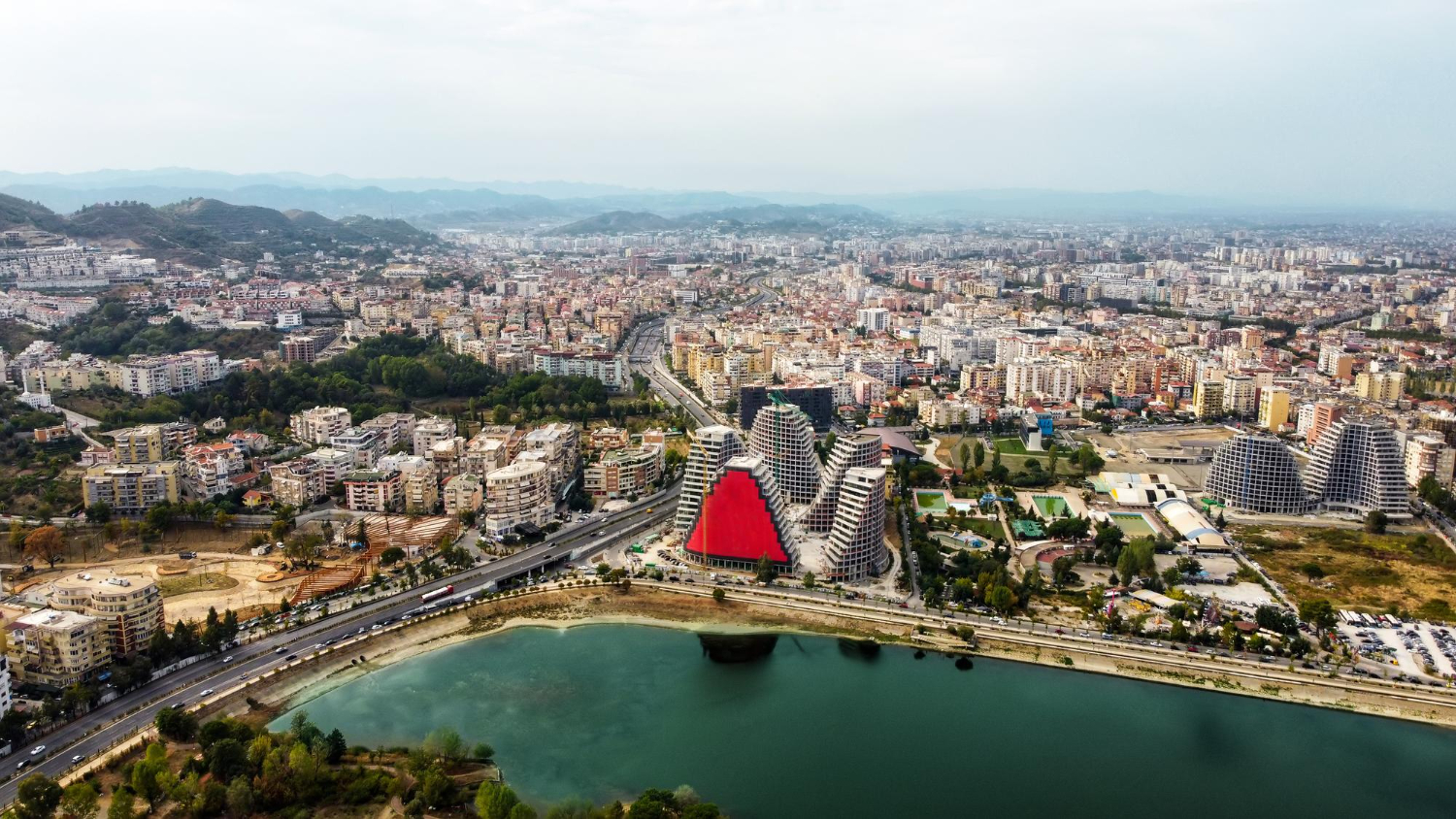
In October 2026, the Mother Teresa University Hospital Centre in Tirana opened a new cardiac surgery facility with five operating theatres. Two are dedicated to cardiac surgery, two to vascular surgery, and the fifth is a hybrid theatre. Three months earlier, Italy’s San Donato Group presented plans for a new hospital in the capital to diagnose and treat complex conditions. Together, these projects show how Albania is expanding the specialist care available to its own patients and building the capacity to serve others from across the region.
That investment comes as Albania moves closer to European Union membership. The country opened formal accession negotiations in 2022 and, by November 2026, had opened all 33 negotiating chapters and provisionally closed four. The European Commission has described Albania’s goal of concluding negotiations by the end of 2027 as ambitious but achievable. For healthcare, the accession process gives Albania a clear framework for bringing its rules on medicines, medical devices and cross-border patient rights into line with those of the EU.
The wider economy helps explain the pace of investment. Albania’s GDP reached about US$29.2 billion in 2025, according to World Bank data. The European Commission puts real GDP growth at 4% in 2024 and 3.7% in 2025. Albania’s statistics institute, INSTAT, recorded further growth of 3.61% in the second quarter of 2026 compared with the same quarter a year earlier. In its 2026 country report, the European Commission said that “Albania’s economy sustained its strong growth trajectory in 2025.” It cited resilient consumer spending and steady investment growth, supported by favourable financing conditions.
Investment and construction figures put numbers on the changes visible around Tirana. Foreign direct investment inflows reached €1.14 billion in the first half of 2026, up 50% year on year, according to Bank of Albania data reported by the Albanian Telegraphic Agency. Nationwide, 460 permits for new buildings were approved in the second quarter, up 30.7% from 352 a year earlier. In October, the Bank of Albania’s economic sentiment indicator rose to eight points above its historical average, while confidence in the construction sector remained 11.5 points above its own historical average.
American Hospital opened in December 2006 as Albania’s first private hospital, initially specialising in cardiology and cardiac surgery. It was among the early adopters of minimally invasive and laparoscopic surgery in Albania. The group has since expanded across Albania and Kosovo, adding specialties such as orthopaedics, general surgery, ophthalmology and urology.
American Hospital 3, the group’s flagship hospital in Tirana, provides tertiary care, from planned minimally invasive procedures to complex surgery and emergency treatment for patients with multiple serious injuries. Its 25,000-square-metre building has 170 beds, five operating theatres and two coronary angiography suites. Specialist services include cardiovascular care, oncology, neurosurgery and interventional neuroradiology, supported by advanced imaging, intensive care and a 24-hour emergency department.
The neurosurgery team includes Professor Mentor Petrela, who trained in France. The hospital’s dedicated Stroke Centre provides specialist treatment for stroke and treats cerebral aneurysms, vascular fistulas and malformations using procedures performed through the blood vessels. Its European-trained orthopaedic surgeons handle elective joint surgery, fractures and complex spinal injuries and collaborate with European medical centres and visiting specialists.
For international patients travelling from abroad for planned treatment, American Hospital 3 has English-speaking medical and support staff, private patient rooms and dedicated VIP suites. Its on-site physiotherapy and rehabilitation team develops individual recovery programmes after major orthopaedic surgery. Nearby accommodation makes it easier for patients to return for physiotherapy or follow-up appointments after discharge. The hospital also offers nutrition consultations and tailored dietary plans, and says it can arrange a comprehensive VIP health check in about 24 hours.
Hygeia Hospital Tirana opened in 2010 and joined American Hospital Group in 2018. Built with an initial investment of about €60 million, it has capacity for 220 beds, nine operating theatres, 12 intensive care beds, seven neonatal intensive care beds and 32 haemodialysis units. Its orthopaedic team offers hip, knee and shoulder replacements, and its physiotherapy service supports rehabilitation. Hygeia also offers PET/CT imaging to help diagnose and stage cancer, as well as radiotherapy, including intensity-modulated radiotherapy.
Salus, another private hospital in Tirana, brings together Italian and Albanian clinicians and provides outpatient and inpatient services, including orthopaedic surgery.
The improvements extend beyond the capital’s private hospitals. The World Bank counted 43 public and 10 private hospitals in Albania in 2023. Under its Health System Improvement Project, all 11 regional hospitals gained a functioning hospital information system. In Tirana, San Donato’s planned Health Hub Hospital would add another centre for complex care, alongside the specialist services already available in the public and private sectors.
For patients travelling from abroad, better connections help make consultations and follow-up visits easier to arrange. Tirana International Airport handled 11.6 million passengers in 2025, up 8.7% on the previous year, with London and several Italian cities among its most in-demand destinations in March 2026. Dentistry and aesthetic treatment helped bring international attention to Albania. The country’s growing range of specialist hospitals gives patients further reasons to consider it, including for planned orthopaedic care.
The next test for Albania’s medical travel sector is how well hospitals support patients through the whole course of treatment. For someone considering a hip or knee replacement abroad, that means knowing who will operate, what rehabilitation is included, and who will be responsible for follow-up once they return home. As Albania builds specialist capacity and advances towards EU membership, those details are what will turn better-connected hospitals into a credible option for more British patients.
If you’re considering planned hip or knee surgery abroad, My Medical Gateway lets you compare fixed-price Treatment Packages from accredited hospitals and see what’s included, from pre-operative checks to follow-up after you return home.
Leave a Reply