
Illustrative Example No. 5
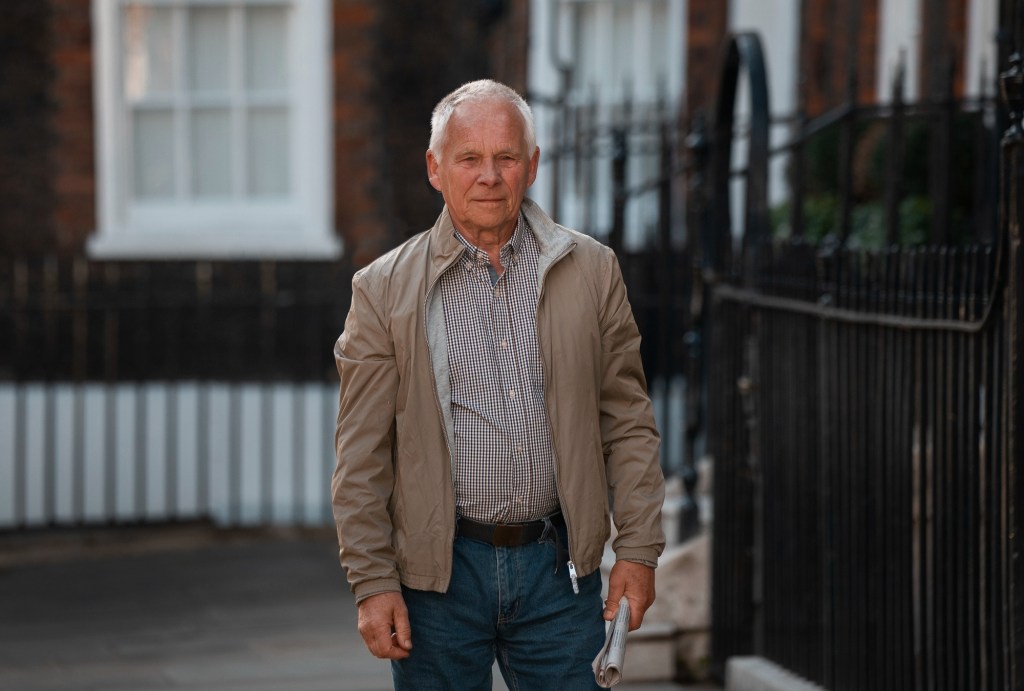
Stephen, a 74-year-old retired accountant from Cricklewood, develops chronic knee pain that gradually takes away his independence. Unable to walk the dog, garden or enjoy daily life with his wife Judy, he faces long NHS delays for knee surgery. After exploring private options, he turns to MMG. Within days, he secures a diagnosis and treatment plan. Weeks later, he undergoes surgery abroad at a lower cost, restoring mobility without enduring a year of decline.
Stephen is 74. He lives in Cricklewood with his wife Judy. Both are retired. For years, their routine has been simple and active – morning walks with the dog, afternoons in the garden and regular visits to friends and family.
Then the pain starts. At first, it’s stiffness in his right knee. Then it becomes persistent. Walking becomes uncomfortable. Going up and down stairs becomes difficult. Standing for longer periods becomes tiring.
Within months, it is constant. It’s likely advanced osteoarthritis – the gradual wearing down of the knee joint. Stephen goes to his GP. In North-West London, this can take one to two weeks. He is referred into the musculoskeletal pathway. Then he waits.
Knee replacements sit within the NHS orthopaedic backlog, one of the most pressured areas of the system. Hundreds of thousands of patients are waiting, and while older patients may be prioritised in some cases, routine knee replacements are still subject to long delays.
Initial physiotherapy can take 10 to 16 weeks. Orthopaedic consultations take longer. Stephen is in pain, but not considered urgent. So he waits. Weeks turn into months. His mobility worsens. Walking the dog becomes too painful. Gardening stops entirely. Even short trips outside the house become difficult.
At home, daily life changes. Judy takes on more responsibility. Simple routines become challenges. By month four, Stephen finally sees a physiotherapist. The assessment confirms severe joint degeneration. Physiotherapy offers limited relief.
He now needs imaging and a specialist consultation. That means another queue. In reality, a typical NHS knee replacement pathway looks like this:
- 3–4 months to physiotherapy
- 2–4 months to imaging and consultant
- 4–9 months to surgery
That’s up to a year. During that time, the joint continues to deteriorate. Pain increases. Mobility decreases. Muscles weaken. Recovery becomes more difficult the longer surgery is delayed. Eventually, Stephen would likely receive surgery. But not before months of reduced independence and declining quality of life. So he looks elsewhere.
He checks private options in London. The quotes are substantial – typically between £12,000 and £16,000, often excluding extended physiotherapy. For a retired household, that’s a significant expense.
Instead of entering that second NHS queue, Stephen uses MMG. Within days, he books a discounted MRI in the UK for around £400 to £600. The scan is carried out locally in London. The results are sent directly to an orthopaedic team at his chosen MMG hospital in Europe. Within one working day, his case is reviewed. The diagnosis is confirmed: advanced knee osteoarthritis requiring replacement surgery. The hospital offers him three surgery dates within the next six weeks. Clear options. No uncertainty.
Stephen has paid just 10% of his treatment package upfront to secure the immediate remote diagnosis. His package covers the full pathway: specialist review, knee replacement surgery, post-operative physiotherapy either on site or in a nearby specialist rehabilitation facility and a 90-day follow-up check.
Fourteen days before surgery, he pays the remaining 90%. That confirms everything. If needed, he uses Klarna to spread the cost. Payment is processed securely and efficiently.
The cost is clear. The procedure itself ranges from £4,500 to £8,700 depending on destination and complexity. Including travel and accommodation, his total spend is typically between £5,500 and £9,500. Significantly lower than UK private care.
The experience is structured from the moment he travels. On arrival, he is met at the airport and transferred directly to the hospital. He is admitted, treated and then supported through his early recovery phase, either within the hospital or at a nearby specialist physiotherapy facility.
The only additional costs he covers himself are flights and his hotel stay during rehabilitation. Everything else is included. Most importantly, the timeline changes completely. Diagnosis in days. Surgery in weeks. Not a year.
Stephen is back in Cricklewood with Judy within days. He hasn’t spent a year declining. He hasn’t lost his independence. He can return to walking the dog and working in the garden without prolonged delay. And clinically, his outcome is likely stronger because treatment happened before further deterioration.
It’s also important to be clear about what happens next. Following surgery, Stephen receives full discharge documentation. His treating hospital continues to monitor his recovery and provides support remotely, including the 90-day follow-up. If he has any concerns, he contacts his provider directly.
He also remains fully entitled to NHS care. If anything urgent arises, he can call 111 or 999 or attend A&E. For non-urgent matters, he can consult his GP and share his discharge summary.
This is the real difference. The NHS will eventually treat patients like Stephen. MMG allows them to decide when – and whether they are prepared to live with the consequences of waiting.
 My Medical Gateway Blog
Leave a comment