

As the Government eyes new tax revenues, Lord Kinnock has called for VAT to be imposed on private healthcare – framing it as a step toward fairness and funding the NHS. But this short-sighted move would raise costs for ordinary patients, worsen NHS backlogs and drive more doctors out of the UK. At a time when over 7.6 million are on NHS waiting lists, taxing private care is not the answer. It’s an attack on access, choice and capacity.
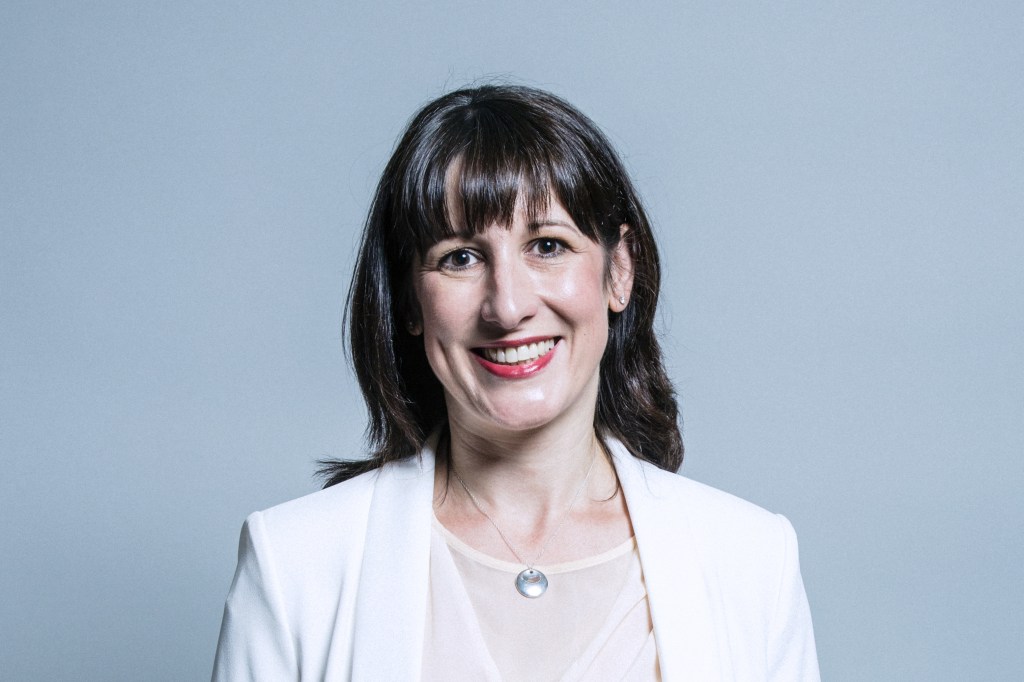
The former Labour leader, Lord Kinnock, has urged Chancellor Rachel Reeves to impose VAT on private healthcare, claiming it would provide “vital funding” for the NHS and social care. The proposal, reported in The Daily Telegraph on 4 August 2025, is framed as a fair and necessary step to reduce inequality in access to care. But in truth, this tax is neither fair nor effective. It risks deepening the very crisis it claims to address, while making private alternatives less accessible to ordinary people who are simply trying to get well.
Let’s start with the numbers. The NHS budget in 2025 stands at an all-time high of £178 billion. Even if a VAT levy on private healthcare raised the full £2 billion suggested by Lord Kinnock – a highly speculative figure – it would still amount to just over 1% of the NHS budget. In financial terms, this is a political gesture, not a solution.
But the damage it would do is real. For millions of people on NHS waiting lists – now exceeding 7.6 million – the only viable option for timely care is to go private. That doesn’t mean luxury clinics in Harley Street and five-star recovery suites. It means hardworking families scraping together savings to pay for a cataract operation, a hernia repair or a hip replacement. It means people taking control of their lives, their pain and their futures.
At My Medical Gateway (MMG), we don’t see queue-jumpers. We see ordinary people – tradesmen, sports enthusiasts and seniors – who have waited long enough, suffered long enough and who simply want to get back to work, to family life, to health. Adding VAT to their care pathway makes that harder. It raises prices, reduces access, and forces thousands back onto NHS waiting lists, worsening the very backlog the policy claims to fix.
Lord Kinnock argues that VAT on private healthcare would reduce inequality. But that misunderstands the landscape entirely. Access to timely private care has become a safety net for the squeezed middle, the very segment of society that earns too much to qualify for state assistance but too little to tolerate year-long delays in care. A 20% tax on private treatment doesn’t equalise access; it rations it. It punishes those with no real choice left.
And this is where a deeper, more structural truth must be recognised, which this blog has addressed before: the NHS and the UK’s private medical sector draw from the same pool of doctors. Most private hospitals and clinics rely on the expertise of NHS consultants and surgeons who split their time across both sectors. When those doctors become disillusioned and leave the NHS – as so many are now doing – the private sector doesn’t magically remain untouched. It is also weakened. Waiting times rise, appointment availability shrinks and specialist capacity declines on both sides of the divide.
That’s why the findings reported in The Times on 7 August 2025 are so alarming. According to a major new General Medical Council report, nearly one in five NHS doctors are now considering leaving the UK altogether. Around 43% have already explored opportunities abroad, and 15% have actively applied for roles overseas. Their reasons are clear: better pay, better conditions and a deep sense of frustration with a system that over-promises and under-delivers.
This exodus of clinicians doesn’t just impoverish the NHS. It hollows out the UK healthcare workforce as a whole. If we lose the consultants who operate across both public and private hospitals, we are not just weakening state provision, we are also degrading the only alternative patients currently have.
Imposing VAT on private healthcare under these conditions is not only counterproductive: it is reckless. It will escalate costs for patients, drive doctors out of the UK and push healthcare capacity further into crisis. It will not deliver the revenue its proponents hope for, but it will certainly deliver pain to those least able to absorb it.
MMG was founded to offer a third way: affordable, accessible, international medical care through a trusted digital platform. Our Treatment Packages are fully transparent, offering prices that may be up to half of UK private care, and wrapped in secure services including Adyen payment integration, Klarna finance options and dedicated medical travel insurance. We give patients choice, security and speed – without compromising on clinical quality.
And this is no fringe solution. Medical travel is already a reality for Britons: 234,000 travelled overseas for medical treatment in 2021, 350,000 in 2022, and the number is expected to reach 420,000 by the end of 2025. These are not holiday tourists. They are patients voting with their feet for timely, affordable care when the UK system fails to deliver.
We welcome serious debate about how to fund and reform the NHS. But taxing private healthcare will not solve its problems. Nor will it stop the steady migration of talent out of British medicine. It will only close off options for patients and clinicians alike.
A health system that cannot retain its doctors, cannot meet its targets, and cannot reform fast enough should not be slamming the door on the few lifelines that remain. The goal should be capacity, not constraint.
VAT on private healthcare isn’t a fix. It’s a trap. And patients will pay the price.
 My Medical Gateway Blog
Leave a comment