
Despite record NHS funding since 2020, patient care is stalling amid strikes and soaring consultant costs – up to £6,000 for a single weekend on-call shift. With millions waiting and no resolution in sight, My Medical Gateway offers fast, affordable treatment in top EU hospitals, helping patients bypass delays and take control.
The National Health Service (NHS) has received record levels of funding since 2020, yet patients are waiting longer than ever. Now, new revelations about soaring costs for NHS consultants and continuing strikes by doctors are raising serious questions: Where is the money going – and why aren’t outcomes improving?
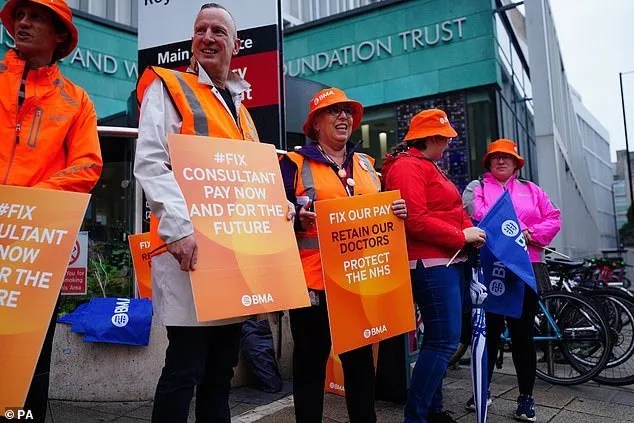
According to recent reporting by The Telegraph, the British Medical Association (BMA) has advised consultants to demand up to £6,000 to be “on call” over a single weekend – even if they aren’t called in or leave their homes. That’s the equivalent of £313 per hour for simply being available, during industrial action by junior doctors (now called resident doctors).
This is not an isolated case of premium overtime. The BMA has published a full “rate card” asking for £188 per hour during weekday shifts, rising sharply for weekends and night work. Non-resident on-call consultants are encouraged to charge £125 per hour for up to 48 hours, even if they don’t lift a scalpel or speak to a patient.
A System Under Pressure – and Out of Balance
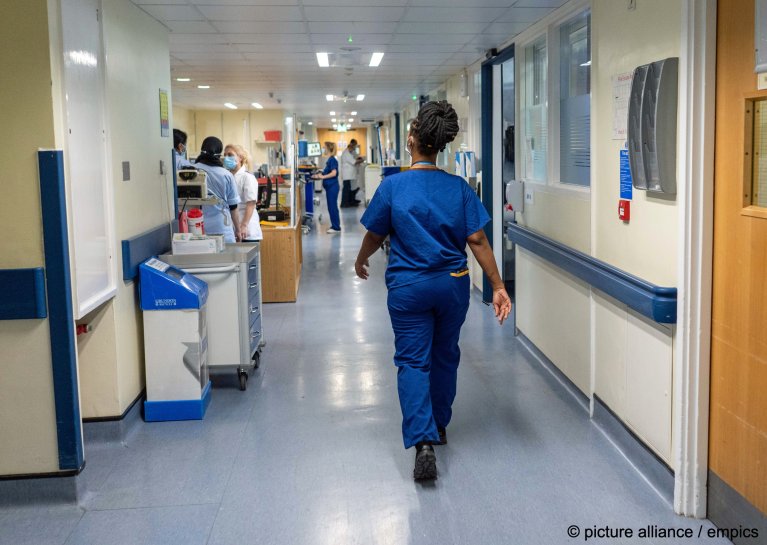
These costs come on top of sustained increases in government funding to NHS England over the past five years – a total rise of 17% in cash terms, bringing the budget to £148.5 billion in 2023–24. This funding was intended to support pandemic recovery, reduce waiting list backlogs, and expand staffing capacity. Yet despite this, productivity has declined rather than improved.
According to the Office for National Statistics (ONS) and the Health Foundation, NHS England’s productivity in 2022 was 9.5% lower than in 2019, the last full year before the pandemic. This means the NHS is delivering fewer services per unit of input, despite having more staff and higher funding than ever before. While temporary pandemic effects explain some of the drop, recent analyses show that productivity has not yet returned to pre-COVID levels and remains significantly below long-term trends.
Waiting lists have soared to record levels, with an estimated 7.6 million patients – particularly women and working-age adults – delayed in accessing treatment. Now, industrial action by junior doctors, including national walkouts and refusal to work beyond contract hours, threatens to cancel up to two million appointments in 2025 alone.
And yet, while frontline care stalls, high-paid consultants are being told to see strike cover as a “financial opportunity” – a sentiment that has provoked strong backlash from hospital leaders and patient advocates.
Patient Needs vs Pay Disputes
The conflict between doctors and the government is intensifying. The BMA is demanding a 29% pay rise for junior doctors – nearly six times the 5.4% offered by the government. Health Secretary Wes Streeting has insisted there is “no more room” for further increases. Talks continue, but the gap remains vast.
In the meantime, cancer surgeries and urgent procedures are again at risk. NHS Trusts have been instructed not to cancel operations unnecessarily, but safety must remain paramount. Even under best-case planning, trusts are struggling to maintain adequate cover during strike weeks.
Strikingly, the BMA’s leadership has admitted that consultants cannot safely cover both elective care and emergency services during these walkouts, raising fears that the disruption may extend well beyond the scheduled strike days.
A Cost Spiral With No Clear Gain
The financial consequences are staggering. Covering consultant strike rates could cost an estimated £367 million – a figure that might otherwise fund thousands of routine procedures or frontline clinical posts.
Yet even before strike action, the system was under strain. A junior doctor in their final year of specialist training earns over £73,000 and can exceed £100,000 with rota bonuses. And consultants often earn considerably more. While NHS professionals undoubtedly deserve fair pay, the current dynamic risks creating a hierarchy of entitlement rather than a workforce of shared responsibility.
What This Means for Patients
For ordinary patients, the implications are stark:
- You may wait months or years for a consultation or surgery
- Your appointment may be cancelled due to industrial action
- Your care may be compromised as hospitals struggle to fill rota gaps at short notice
- And all this despite unprecedented taxpayer investment
At My Medical Gateway, we believe patients deserve timely, safe, and transparent care – without having to navigate political stand-offs or pay disputes. That’s why we’ve built a platform that connects UK patients directly with accredited private hospitals across the EU, where surgery is available immediately, prices up to 50% less than UK private costs and care is personalised.
Whether you’re waiting for a gynaecological procedure, cataract operation, joint replacement or hernia repair, you can browse and book treatments with trusted providers in as little as 2–4 weeks. All services come with English-speaking medical teams, fixed all-inclusive pricing as part of a treatment package with airport transfers, and full medical check-up within 90 days.
Looking Ahead
It’s clear the NHS is under intense pressure – from rising demand, staffing challenges and political impasses. But patients should not be collateral damage in a system at war with itself.
We understand that not everyone can afford private healthcare at UK prices. That’s why My Medical Gateway exists – to provide safe, affordable and accessible options for those who are stuck waiting, or simply want to take back control of their health.
 My Medical Gateway Blog
Leave a comment